
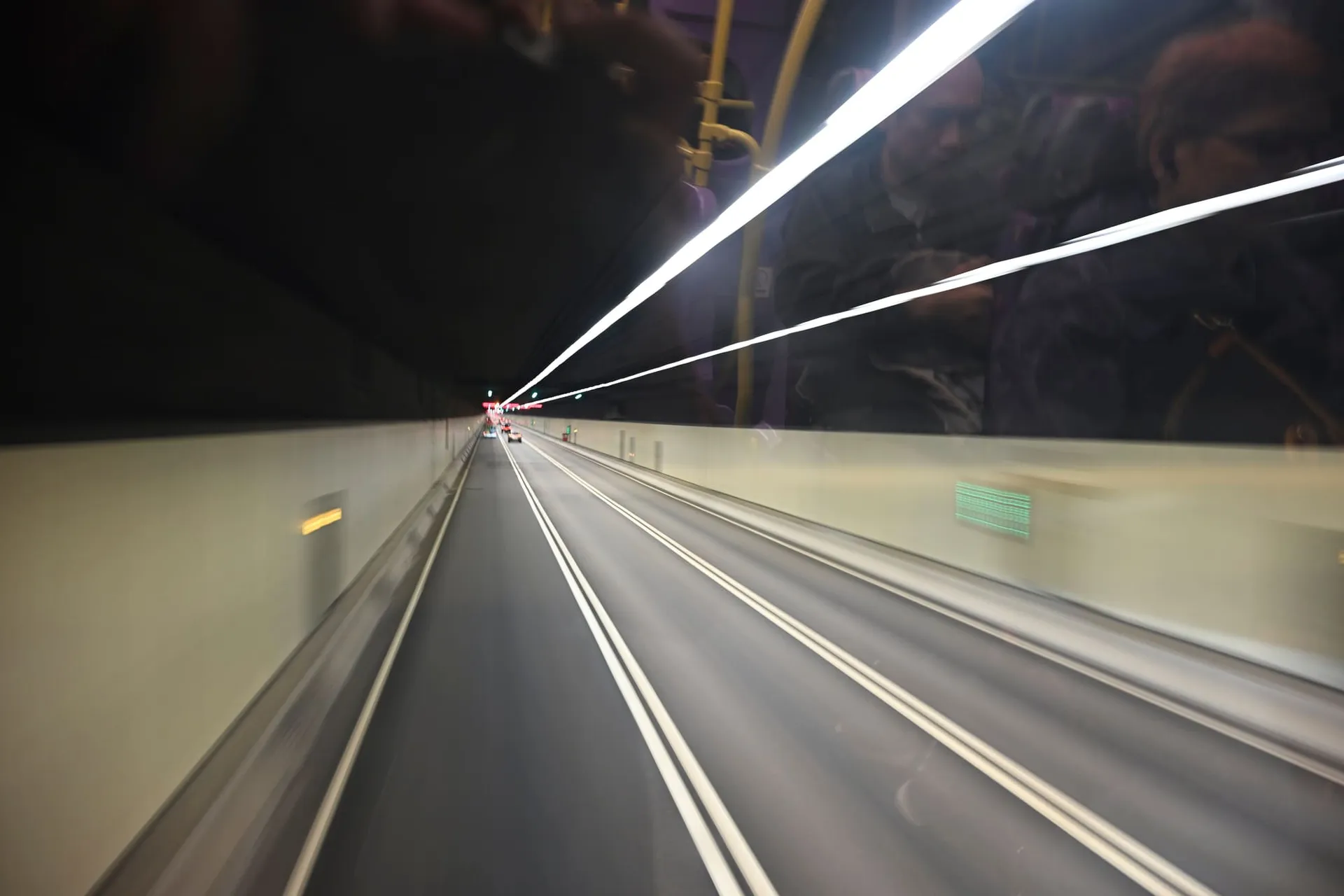
An electric bus is not a diesel bus with a different drivetrain
A diesel vehicle carries a full day of energy in its tank and refuels in minutes. An electric vehicle stores a fraction of that and takes hours to charge. So the battery limits the schedule, charging competes with driving, and the coldest winter day sizes the whole system. Plan too big and you tie up capital in batteries and chargers that are never used. Plan too small and vehicles strand in service. There is no rule of thumb: every network is different.
What you get from us
We do not deliver a study that is obsolete the moment a charging site is refused. We build the simulation model of your operation with you, and your team learns to use it. We bring three things:
The software: eFLIPS
eFLIPS simulates an electric operation end to end: timetable, vehicle schedules, energy consumption, depot, charging infrastructure, cost and environmental impact. We have been developing the toolkit at TU Berlin since 2016; the knowledge of three dissertations has gone into it. The source code is open.
More about the technologyThe interface: design and compare variants
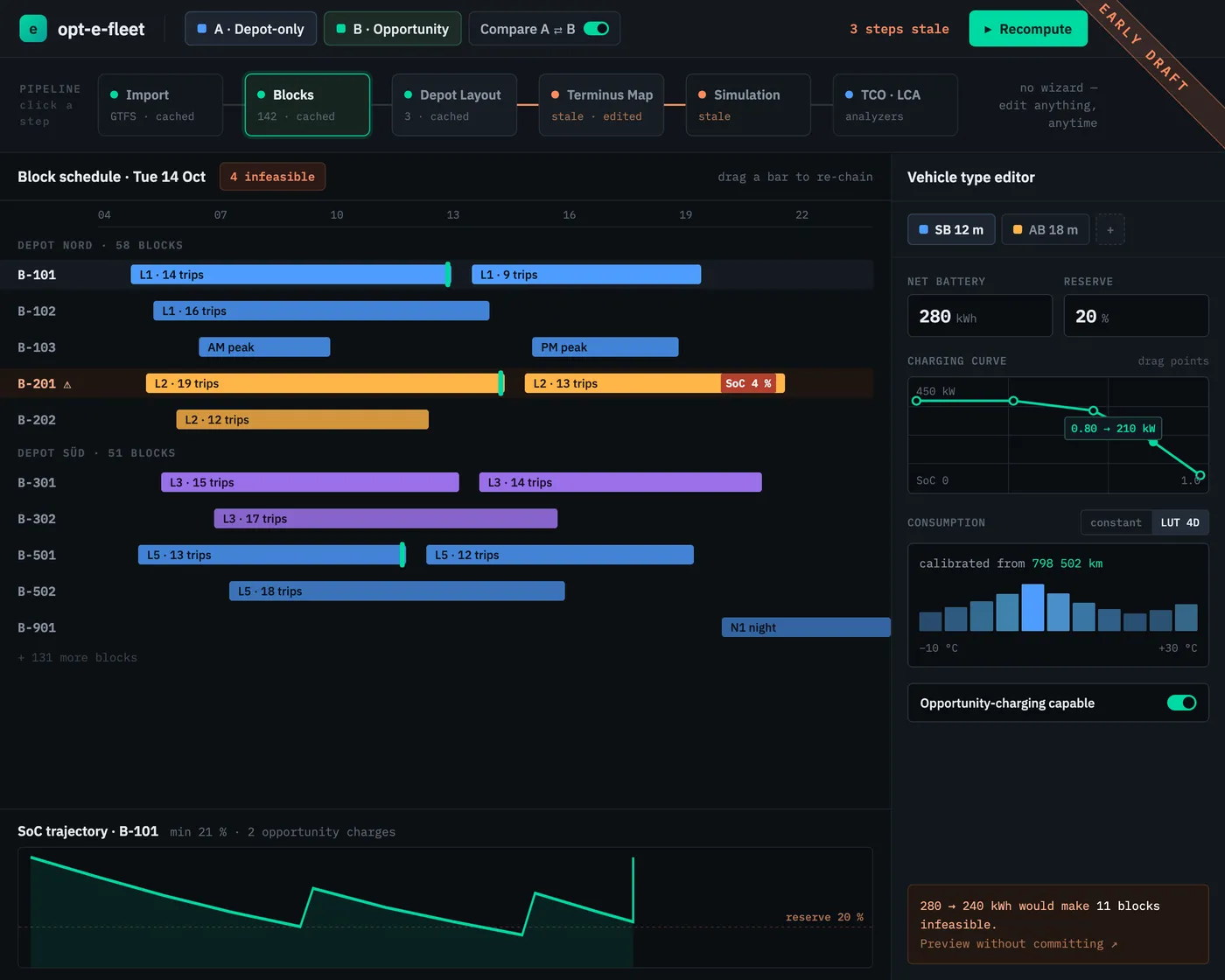
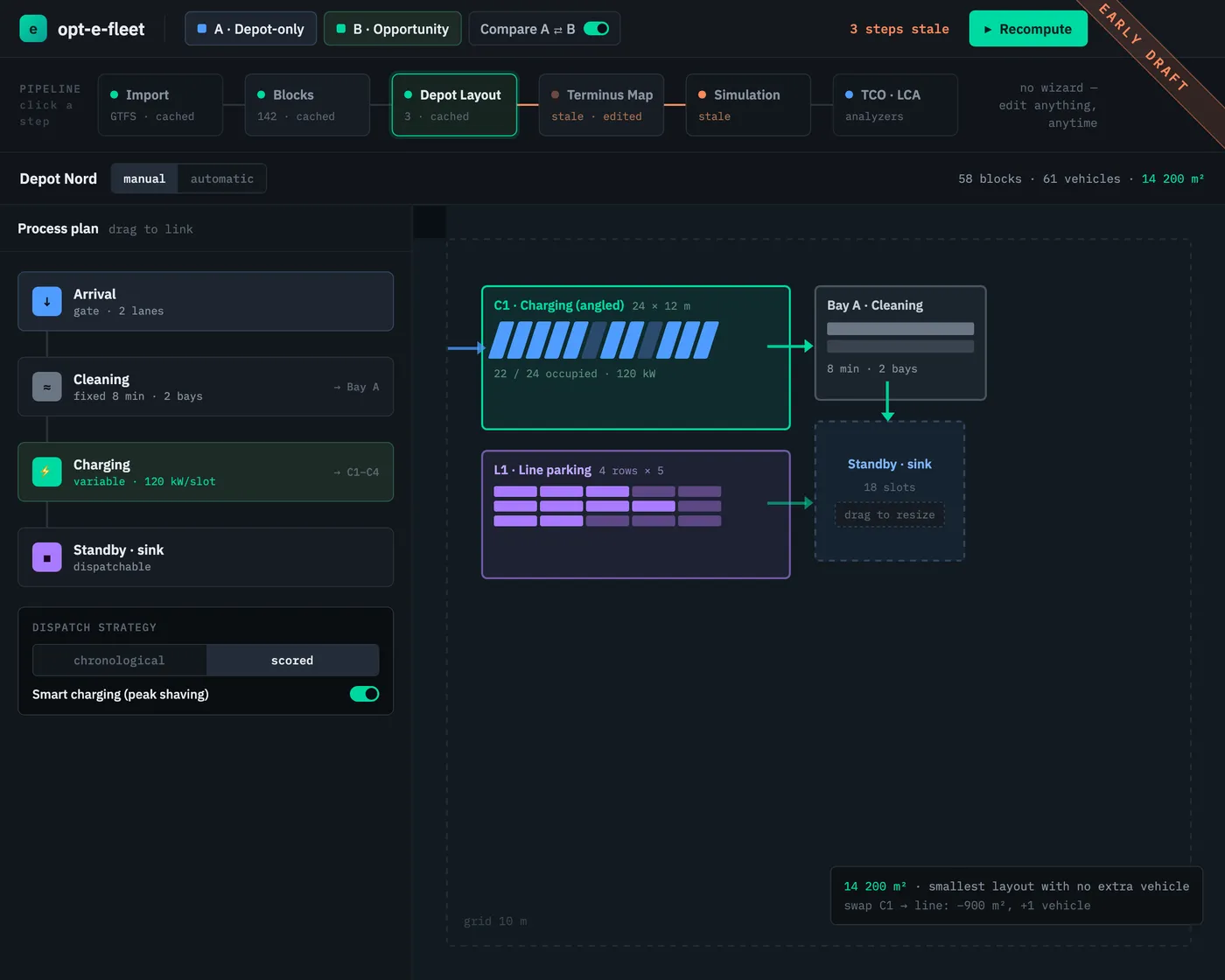
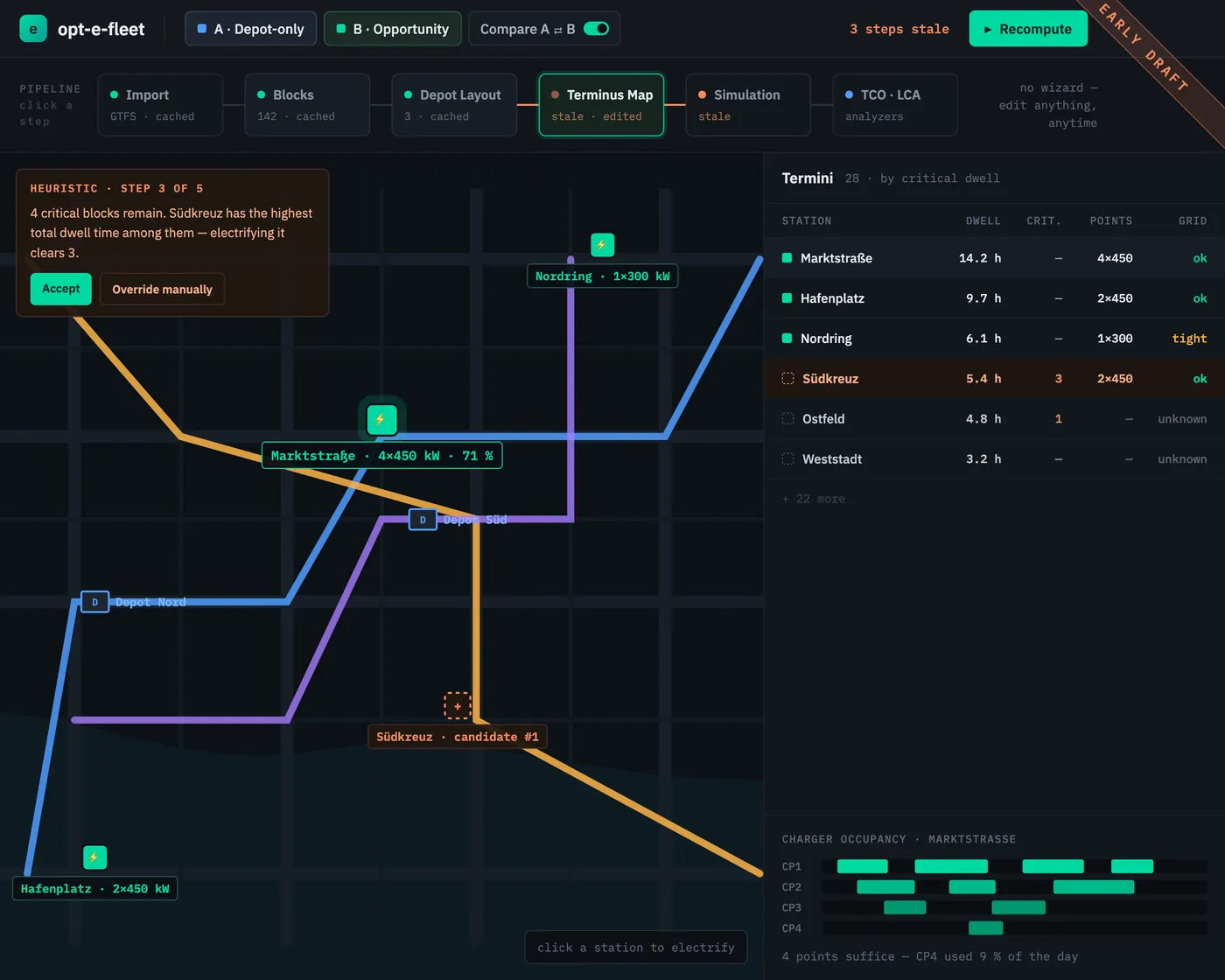
In the graphical interface you set up timetables, depots and charging sites. You compute variants and compare them side by side: fleet size, chargers, grid load, cost. When an assumption changes, you recompute. That takes an afternoon.
The expertise: stays in-house
We train your team with methods from our university teaching: self-study material, AI assistants built into the software, seminars online or at your site. The goal: you plan and update your electrification yourself.
Validated on Germany’s largest bus network
In the research project E-Bus 2030+ we computed the full electrification of Berlin’s bus network with BVG. Depending on charging strategy, electric operation needs between 2 % fewer and 7 % more vehicles than diesel; smart charging management halves the peak loads at the depots. For the Ulm network, our results match an independent feasibility study. The methods are published in peer-reviewed journals and conferences.
One platform, three fields
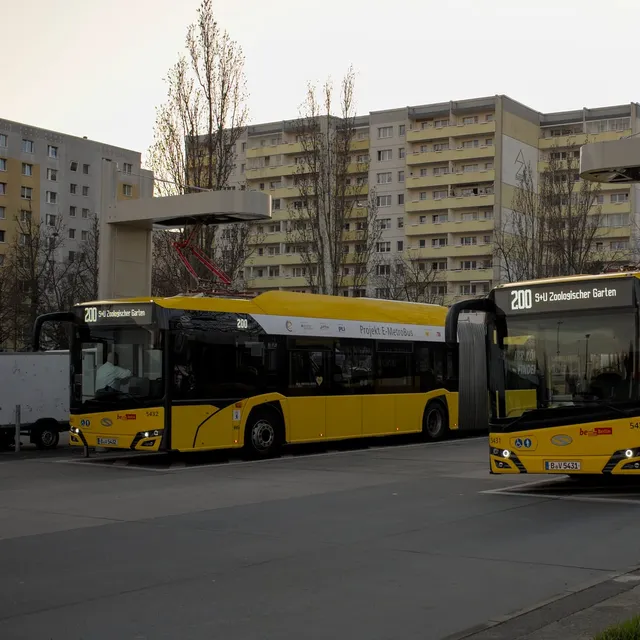
Buses
Our most mature field: vehicle scheduling, route-end charging, depot simulation, cost and environmental accounting. Developed over years of collaboration with BVG.
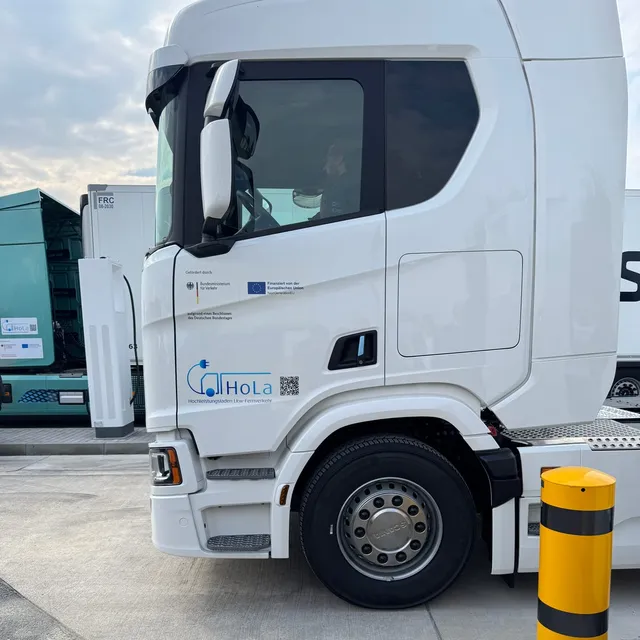
Commercial fleets
For logistics and own-account transport: the right combination of vehicles, chargers and storage, based on measured driving profiles.
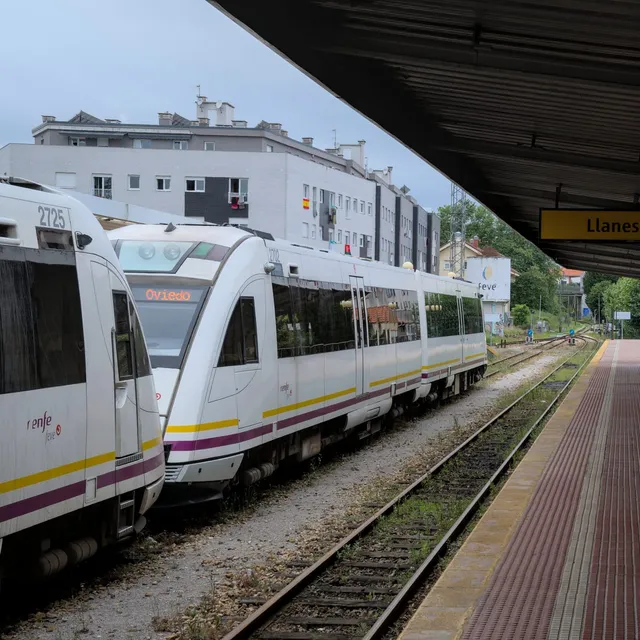
Rail
Battery trains for lines without catenary, designed with physics-based consumption simulation.
Become a pilot partner
We are taking on a small number of pilot partners in 2026/27. You bring a concrete planning problem; together we build the model of your network. Pilot partners help decide which features we build first, and keep favourable terms permanently.